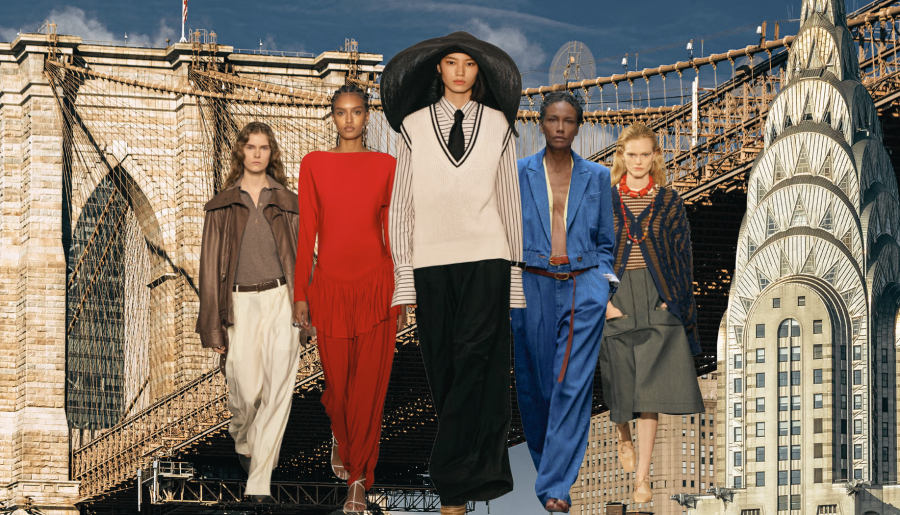
Many of our principals are in New York this week for the opening of women’s ready-to-wear Fashion Week, which runs through February 16. The full ready-to-wear circuit moves through four cities in roughly a month, heading next to London, Milan, and Paris through early March. The planning started last year for most EAs, who block calendars based on the official schedule, then layer in the additional commitments as invitations arrive.
Fashion week draws elite connoisseurs who spend upwards of hundreds of thousands annually on designer looks. These aren’t public events; invitations go to VICs whose purchase history and relationship with the house warrant inclusion. Houses assign seats based on client purchase history and relationship value. Access to the front rows at Chanel, Dior, Louis Vuitton, and other major houses signals their standing as top-tier clients. The best clients receive early viewing appointments, invitations to intimate client dinners, and direct communication from creative directors rather than sales staff.
Shows run back to back across a city, sometimes with thirty minutes between one presentation ending and the next beginning across town. Estate logistics teams coordinate ground transportation, plan routes between venues that may be in different boroughs or arrondissements, and build buffer time for delays. The on-site staff may include a driver, security, a PA, a stylist, and glam, who coordinate location and wardrobe changes for a principal who may attend four or five shows in a day and needs to be appropriately dressed for each house’s aesthetic. Personal assistants handle real-time schedule changes when a show runs late, when a house extends a last-minute invitation to a private viewing, or when the principal makes unexpected connections.
For those who collect couture or maintain extensive designer wardrobes, fashion week offers first access to collections before they reach even preferred clients, and the opportunity to place orders for pieces that can cost $25,000 to over $100,000 each. Personal teams begin order tracking the moment a principal expresses interest in a piece during a show. Personal assistants and stylists maintain records of what was ordered from which house, what fittings are scheduled, and what follow-up communication each house expects. Some brands require confirmation of interest within 48 hours of a show. Others allow weeks for decision-making on high-value purchases.
For some couture orders, estate teams may need to coordinate a process that spans six to nine months from order to delivery. Couture pieces may require two to four fittings, each scheduled in advance and often requiring the principal to return to the fashion house or arranging for atelier staff to travel to the principal’s location. Executive or Personal Assistants must maintain detailed timelines for each piece ordered, tracking which house, which garment, which fitting dates have been confirmed, and what remains to be scheduled.
Ready-to-wear orders placed during shows follow different timelines depending on the house. Some items ship within weeks. Others require modifications that extend delivery by months. Personal teams must coordinate with client services teams to confirm when pieces will arrive, where they should be delivered, often among multiple properties, and what alterations or adjustments the principal has requested.
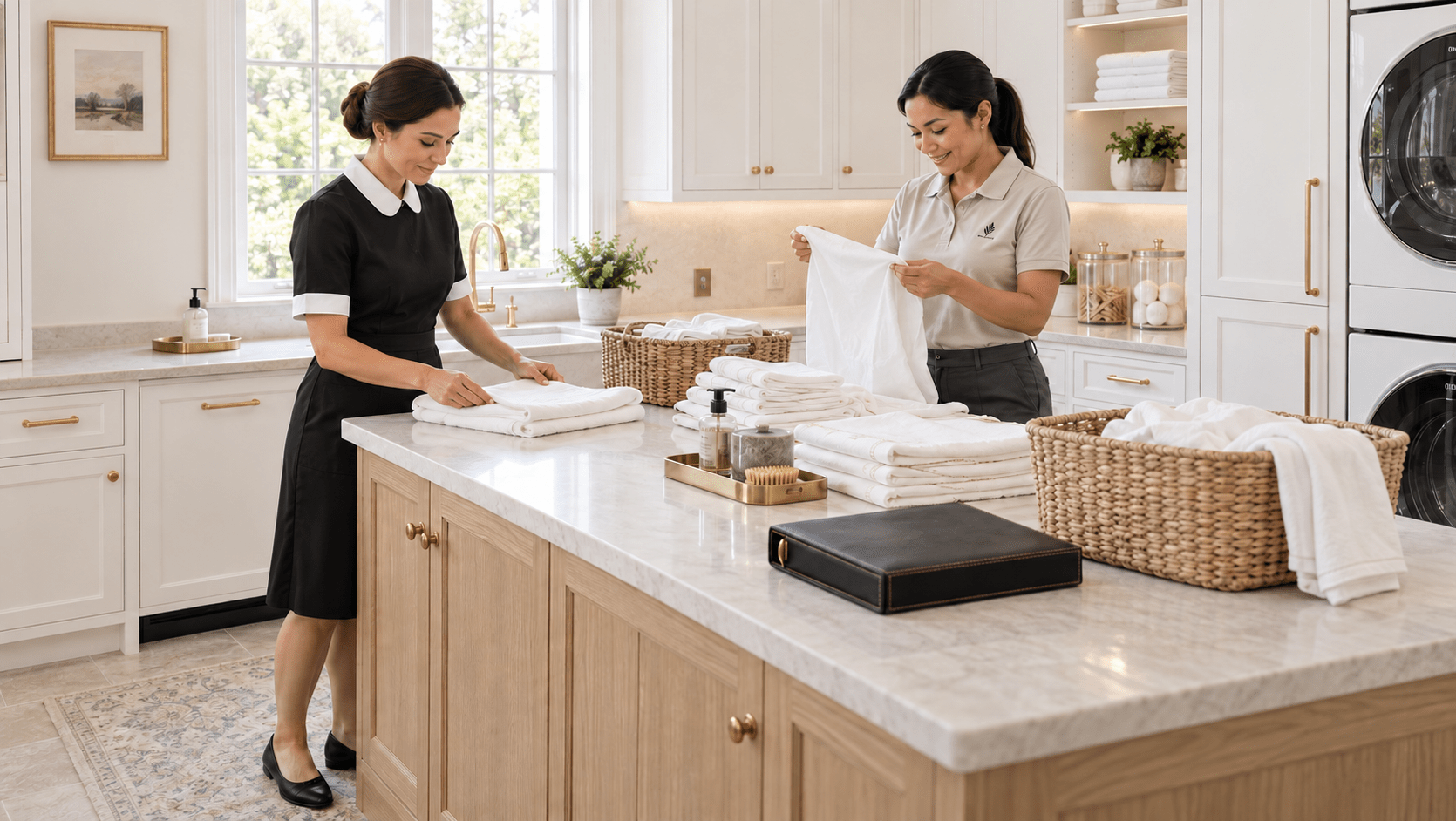
Estate teams manage delivery coordination when multiple houses ship pieces over several months. The wardrobe staff or stylist at the receiving property inspects pieces upon arrival, coordinates any final alterations with local tailors who understand how to work with couture construction, and ensures proper storage in climate-controlled closets with appropriate hanging systems. High-value garments require specific care protocols. Some pieces need specialized cleaning after each wear. Others require archival storage methods when not in seasonal rotation. Estate teams document care instructions from each house and train household staff on handling procedures for pieces valued at tens of thousands of dollars each.
It’s usually an EA and stylist in coordination who manage year-round communication with houses, responding to outreach from brand representatives, coordinating thank-you notes after private events, and keeping the principal positioned favorably within each house’s client hierarchy. Some brands reach out with styling suggestions when new pieces arrive. Others send advance notice of upcoming collections or exclusive access to limited production items, trunk shows, and private collection previews at flagship stores or in intimate salon settings. Store openings, brand anniversaries, and client appreciation dinners fill the calendar between fashion weeks.
Access during Fashion Weeks is not granted lightly. It reflects a year of strategic coordination across calendars, logistics, purchases, and brand relationships, as well as a positive in-person experience with a principal’s team. Understanding each brand’s expectations and communication style becomes part of maintaining the relationships that generate a principal’s preferred status year after year. The next invitation, fitting, or front-row seat depends on professional, timely communication sustained long after the final show.

Fashion Week Calendar:
Women’s Ready-to-Wear Fall/Winter 2026-27:
-
- New York: February 11-16
- London: February 19-23
- Milan: February 24-March 2
- Paris: March 2-10